EVs VS Hybrid Mazdas: Which Electrified Ride Wins?
Compare EV vehicles VS hybrid vehicles. Learn how EV batteries compare against hybrid batteries and discover why EVs VS hybrid Mazdas proves hybrids are best.
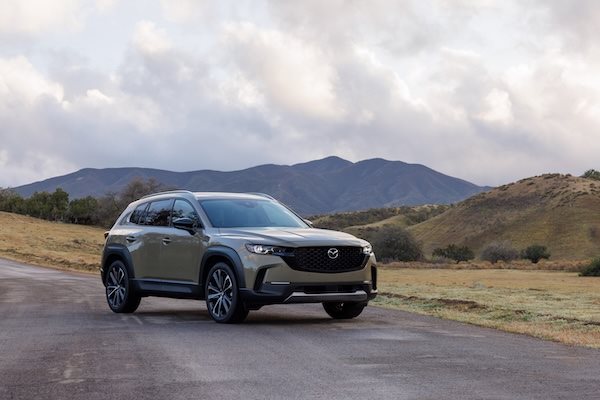
The choice between fully electric power and a hybrid engine often feels overwhelming - you want excellent fuel economy, but you also want a car that remains fun, practical, and easy to drive. But, which option is better? At Whaling City Mazda, we know a thing or two about hybrids and electric vehicles, so let's explore the key mechanical differences and examine how the battery technologies stack up.
EV Vehicles VS Hybrid Vehicles: Understanding the Basics
To make an informed decision, you first need to understand how these two distinct powertrains operate. While both options aim to reduce your carbon footprint and save you money at the gas pump, they go about achieving those goals in entirely different ways:
The Fully Electric Approach
Electric Vehicles (EVs) rely entirely on battery power. They feature one or more electric motors drawing current from a large battery pack mounted along the floorboard. You never need to visit a gas station, and the car produces zero tailpipe emissions.
Potential Downsides
While this sounds ideal on paper, living with a fully electric vehicle requires significant lifestyle adjustments - you have to map out charging stations for long road trips, and you may also need to install a heavy-duty charger at your home to ensure your car charges fully each night, which can be quite a hassle for some drivers.
The Hybrid Advantage
Hybrid vehicles combine a traditional internal combustion engine with an electric motor and a battery pack. This dual-powertrain system works together to optimize efficiency without changing how you normally use your car. The electric motor handles low-speed driving and initial acceleration, while the gas engine takes over at highway speeds.
Traditional Hybrids VS Plug-In Hybrids
Plug-in hybrid electric vehicles (PHEVs), on the otherhand, take this concept a step further, featuring a larger battery that you can charge at home, allowing you to drive a certain distance on pure electricity. Once that battery depletes, the gas engine seamlessly kicks in, giving you the efficiency of an EV without the dreaded range anxiety.
How Do EV Batteries Compare Against Hybrid Batteries?
When shoppers weigh their options, the battery is usually the biggest point of confusion. So, how do EV batteries compare against hybrid batteries? The differences go far beyond simple physical size:
Size and Weight Differences
EV batteries are massive, weighing well over a thousand pounds at times. This excess weight completely changes how a car handles, making feel heavy and sluggish around corners.
On the other side, hybrid batteries are significantly smaller and lighter. Since they work in tandem with a gas engine, they do not need to carry the entire workload, preserving the car's agility and braking performance.
Charging Times and Convenience
Charging a massive EV battery takes time; even at a high-speed commercial charging station, you might wait anywhere from 30 minutes to an hour just to reach an 80% charge. If you use a standard home outlet, charging an EV can take multiple days.
Conversely, hybrid batteries, particularly those in PHEVs, require far less time to top off, easily recharging overnight using a standard household outlet. Additionally, standard hybrids do not require you to plug them in at all, as the gas engine and regenerative braking handle the recharging process automatically.
Longevity and Replacement Costs
All batteries degrade over time, but the financial risk differs greatly between the two platforms; replacing an EV battery out of warranty can cost tens of thousands of dollars! That's is a massive financial commitment that deters many used car buyers from choosing EVs.
When it comes to hybrid batteries, they undergo less severe discharge cycles because the gas engine shares the mechanical load. This shared effort often leads to a longer practical lifespan. As if that wasn't enough, hybrid batteries are smaller, which means replacing them is significantly more affordable than replacing a full EV pack.
EVs VS Mazda Hybrids: Why Hybrids Take the Lead
When we look at the comparison of EVs VS Mazda hybrids, a clear winner emerges for the driving enthusiast. Mazda has always prioritized the connection between the driver and the vehicle.
By utilizing hybrid and plug-in hybrid powertrains, Mazda keeps the vehicle weight manageable. A model like the Mazda CX-90 PHEV offers exhilarating acceleration thanks to the instant torque of the electric motor. Yet, it retains the crisp, responsive handling that Mazda is famous for, something bulky EVs simply cannot replicate.
Eliminating Range Anxiety
One of the most significant drawbacks of driving an EV is range anxiety - worrying about finding a working charger in a rural area adds unnecessary stress to your road trips.
Mazda hybrids eliminate this stress completely, empowering you complete your daily errands using pure electric power. When you want to take a cross-country family road trip, the gas engine provides total freedom. You can fill up at any standard gas station in three minutes and immediately get back on the highway.
Infrastructure Readiness
As it stands, the public charging network for EVs remains incredibly flawed. Stations are frequently broken, occupied, or fail to deliver their promised charging speeds, which means that relying solely on public chargers requires you to plan your entire day around your car's battery level.
With a hybrid, you dictate your own schedule, plugging in at home when it's convenient. If you forget to plug it in, or if the power goes out, your car remains fully functional thanks to the combustion engine.
Financial Flexibility
Electric vehicles often carry a steep upfront premium compared to their gas and hybrid counterparts. Furthermore, installing a Level 2 charger in your garage can add thousands of dollars to your initial investment.
Alternatively, hybrids offer a far more accessible entry point into electrified driving, costing less upfront and requiring absolutely no home modifications. You start saving money on fuel immediately, making a hybrid a smart, practical financial decision.
Make the Smart Switch to a Mazda Hybrid
Are you ready to experience the perfect balance of efficiency and performance with a Mazda hybrid? Discover Mazda’s impressive lineup of hybrid models—like the versatile Mazda CX-90 PHEV, the CX-50 Hybrid, and CX-70 PHEV—engineered for exhilarating drives, lower fuel costs, and real-world practicality. Explore our full inventory of Mazda hybrid vehicles available today, and take a test drive to feel firsthand why Mazda’s hybrids are setting a new standard for electrified driving.